RHYTHMS | PRAYER, PRACTICE, PLACE
Vol 4. Issue 11
Friends,
The air grows warmer, the days grow longer, and the pace of life changes with the summer season. With the arrival of summer, there comes the anticipation of the camping season.
This issue considers how camping can cultivate our connection to God, ourselves, and others. It includes a Prayer for Sleeping Under the Stars, the Practice of Camping with Neighbors, and a Campground as a sacred Place.
Camping brings us closer to the earth and closer to each other. There are countless beloved campsites in Colorado.
Will you reply and share your beloved Colorado campsite and why it’s sacred for you?
All blessings.
Jared Mackey
P.S. There are more Prayers, Practices, and Places for the Summer season online at sacredplace.co/summer.
PRAYER | SLEEPING UNDER THE STARS

By Katie Lukashow
Father in Heaven,
Sleeping under the stars,
beneath this wide and holy canopy,
may we be filled with wonder.
You know every star by name.
You know the space between them.
And you know the whole of us—
the names we are given,
the stories we carry,
the sorrows we hide,
the joys we cherish.
Let us trace shapes in the darkness,
listen for the quiet sounds of the earth,
and feel again how small we are—
not forgotten, but held.
Tonight, as we sleep exposed
beneath the dome of creation,
remind us that we are part of a much larger story—
one that stretches beyond our tents,
our neighborhoods, our cities, and our borders.
May we remember our neighbors
looking up at this same sky:
children pointing,
travelers resting,
families gathering,
the weary lying awake.
Meet us here in the wilderness,
as you have met so many before us.
May the stars teach us connectedness.
May the night enlarge our prayers.
And as we rest under the work of your hands,
May wonder become gratitude,
Gratitude become love,
and love become belonging to one another.
Amen.
Katie Lukashow is the Creative Director for Sacred Place. Katie is currently living in New Mexico, enjoying dark skies with her husband and their two Iraqi rescue dogs.
PRACTICE | CAMPING WITH NEIGHBORS

By Jared Mackey
“The first rule of camping is: We are in it together.”
Camping together is how two neighbors in southeast Denver became trusted friends. Rachelle Miller recalls the initial connection, “My neighbor, Becca, and I met each other because I moved in two doors down, and through getting to know each other, we realized we both enjoyed camping.” Rachelle was cautiously optimistic. “We both shared what we like and the gear we have; we both had tents, we both had stoves. Together we had everything we needed, so we decided to go camping together.” The outcome was more than she had hoped. “We had a blast! We discovered we have compatible camping styles. And that’s how our friendship began.”
The newfound friendship from camping together encouraged new adventures. “Both of us had lived in Colorado for years, but hadn't explored Colorado. So, we decided that we would go camping in all the Colorado State Parks. We got to know our state a bit better, learned a lot, and had the best time together!” More than learning about the state, they learned about each other. “We discovered what we like. We both started kayaking as a process of camping together. We are both foodies. So, we explored trying new foods and new ways of cooking while camping.” Camping together has been the context for an incredible amount of joy. “We found ways to make it easy and comfortable. And…” Rachelle adds with delight, “we have flamingo lights and all the little glamping things that make it more fun!”
After 6 years of tent camping together, the two neighbors made their first shared investment by purchasing a pop-up camper. Rachelle describes it comically, “It was an old, broken-down pop-up.” But it provided increased sleeping comfort and affirmed the compatibility of sharing space together. Four years later, they upgraded the camper to “a big fancy camper,” converting the front dining area into a second queen-size bed.
After years of camping together, the two neighbors have become friends who deeply trust each other. Rachelle offers with sincerity and vulnerability how camping has formed their friendship: “When camping, there are times we have truly had to rely on each other and partner together to have a safe outcome. It has increased our relationship and given us both a level of responsibility for it. We feel responsible for the other person. As a single woman, I don't often feel responsible for other people, or that they are responsible for me. Our relationship has evolved to a deep level of commitment.” The care and commitment for each is reiterated in their two rules of camping. “The first rule is: We are in it together. And the second rule is: The first thing we do after we set up camp is open a beer.” Rachelle shares the second rule with an infectious smile and laughter. For Rachelle and Becca, camping with a neighbor has led to relational connection, learning, exploration, and shared celebration.
Thank you to Rachelle Miller for her joy in sharing the story of camping with her neighbor and for her contribution to this article.
Practice
Start small. See if you have compatible styles of camping. Start with an overnight stay nearby before venturing far away for multiple days.
Prep together. Plan and prepare meals beforehand to help the time camping be focused on relaxing and enjoying outdoor activities.
Explore Colorado. There is a spectrum of locations to camp in Colorado. Some favorites include: Red Feathers, Lake Isabel, and Paonia State Park.

PLACE | CAMPGROUND
By Jared Mackey
“Adopt the pace of nature, her secret is patience.”
A campground is a sacred place. It provides a sacred shift from the places we regularly inhabit. There is a voluntary vulnerability in camping. A campground is where we increase our exposure to the elements and refocus on the basic human experiences of shelter, fire, and food. Camping creates a container of time distinct from our regular schedules. The pace affords deeper personal and relational connection. It is a place where we choose to live closer to the earth and each other.
Campgrounds in Colorado are cherished. From treasured sites within Colorado’s State Parks to hidden gems on BLM land, favorite campsites are as protected as beloved family recipes. A campground is often the location of formative memories for both families and friends. Stories are shared over the years of the antics of a leaking tent in an afternoon thunderstorm, a shared meal cooked in the open air, or the exhilaration of an outdoor accomplishment on a hike. Campgrounds are places of beholding natural beauty, holy memory, and family story.
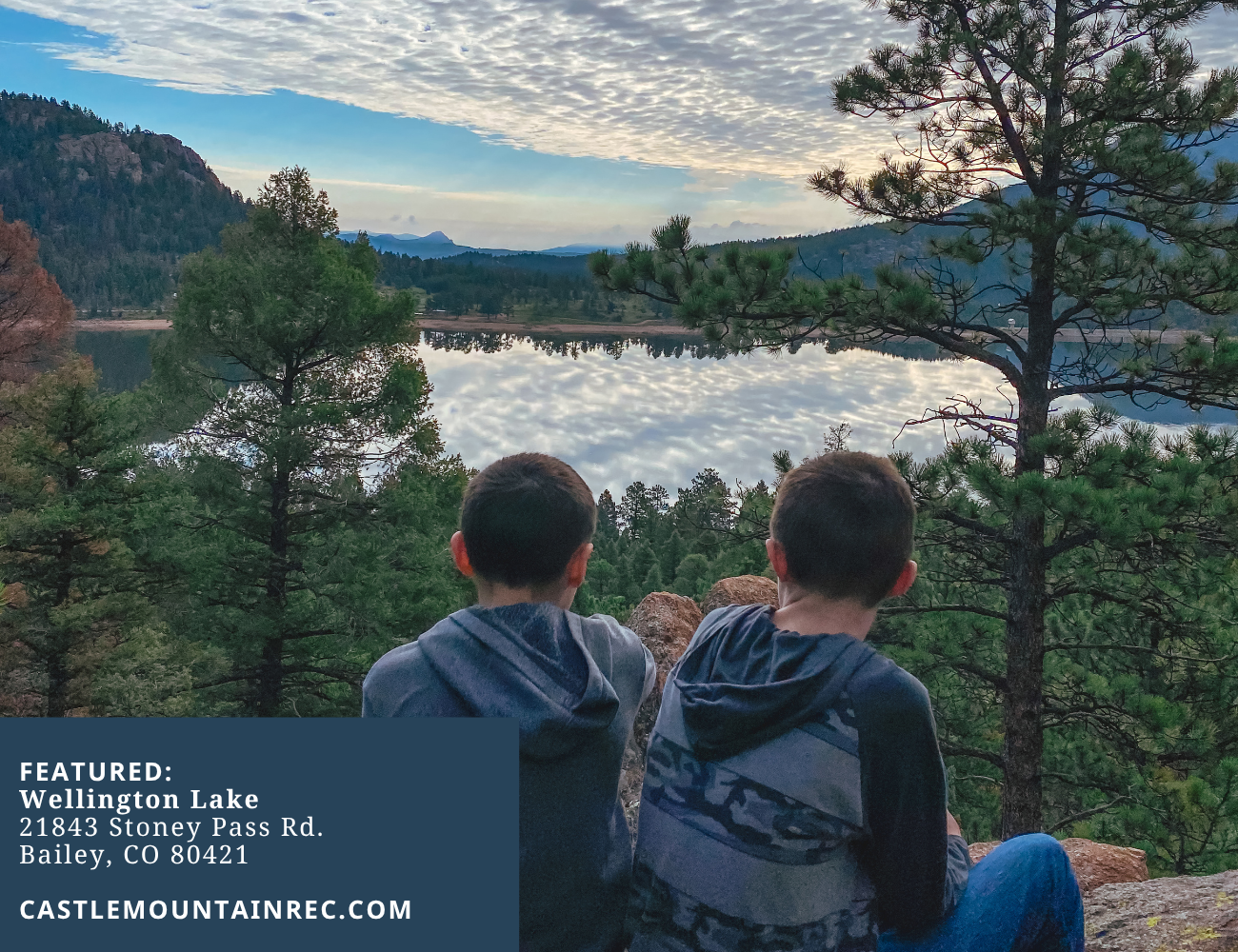
The Colorado campground of choice for Adam and Angie Long is Wellington Lake. Located less than 2 hours from Denver, Wellington Lake is a picturesque property that families have enjoyed since 1891. A group of investors built a reservoir as a place to retreat from the city, with small furnished cottages available for $25 a month, and camping by the lake was free. Wellington Lake is now a privately owned reservoir spanning over 900 acres, with 75 campsites and 12 larger group campgrounds. The appeal of Wellington Lake is its accessibility to both beauty and activity. The proximity to Denver affords families, friends, and neighbors with varied availability, while the landscape provides an abundance of outdoor activities, including hiking, rock climbing, swimming, paddleboarding, and kayaking.
Adam and Angie Long have returned to Wellington Lake each summer for the last 5 years with their two sons. Their family enjoys the adventure of traveling to new places, and they have lived internationally for several years. Instead of exploring new campgrounds, returning to the same site each summer provides their family a familiar place to rest and reconnect. With the passing of each year, their sons explore the surrounding hills on hikes and venture out on the water with greater confidence and courage. “It is a known place with unknown variables,” shares Adam. “You allow the day to develop for itself. You may choose to read a book in a hammock or go exploring. Some days you can spend hours on the paddle board or the kayak until it begins to rain. Then decide, what are we going to do now? We have no devices and a couple of hours. There's something so refreshing about that pace.”
The “refreshing pace” of Wellington Lake is formed in part by the lack of cell reception in the area. Campgrounds can remove modern distractions, and in doing so, invite greater presence. They place family, friends, and neighbors in closer proximity to each other. The simplicity of the schedule invites curiosity and cultivates contentment. The memories created at campgrounds make them treasured places.
There is a beautiful, intimate connection to God, people, and place in the common life and common ground of a campground. A campground is a sacred place.
Thank you to Adam and Angie Long for their conversation and contribution to this article about camping.

More rhythms to root your faith in place.
Sacred Place provides a beautiful bi-weekly publication to share the rhythms of a Prayer, Practice, and Place as simple ways to help cultivate love for our neighbors and neighborhoods.